
Recovering from a stroke takes time, patience, and the right kind of therapy. Regaining strength, balance, and confidence in movement can be challenging—but water therapy offers a unique and effective way to accelerate recovery.
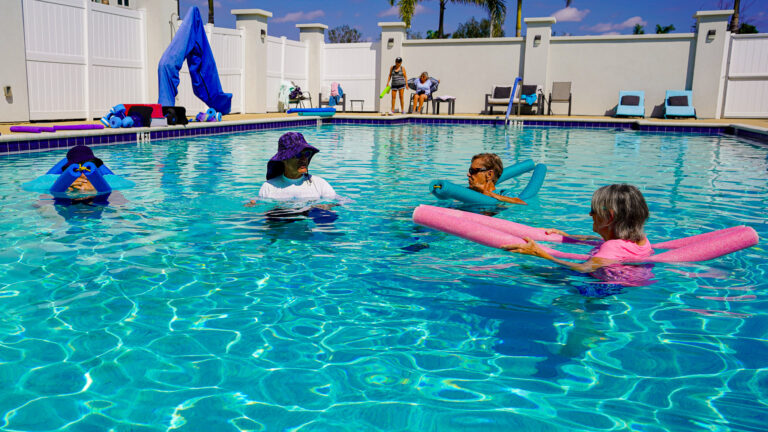
At H2O-4-Life Aquatic and Balance Rehab in Nokomis, FL, our licensed therapists specialize in helping stroke survivors rebuild strength and mobility through the healing properties of water. Here are 10 proven ways aquatic therapy supports stroke recovery and helps patients regain independence safely and confidently.
1. Reduces Muscle Stiffness and Spasticity
After a stroke, many patients experience muscle tightness or spasticity. Warm water helps relax these tense muscles, reducing stiffness and improving range of motion. The soothing hydrostatic pressure also eases pain, creating a more comfortable environment for movement and rehabilitation.
2. Improves Balance and Coordination
One of the most important aspects of post-stroke recovery is restoring balance. The natural resistance and buoyancy of water challenge the body safely, improving coordination and reducing the risk of falls. This gives patients confidence to move freely again—without fear of losing balance.
3. Enhances Muscle Strength
Water provides constant, gentle resistance in all directions. This allows stroke survivors to rebuild strength in weakened muscles while minimizing joint strain. Over time, this strength training helps improve stability, gait, and posture—essential elements of daily mobility.
(Research published by the National Institutes of Health confirms that aquatic therapy can significantly improve muscle strength and functional performance in stroke survivors.)
4. Promotes Neuromuscular Re-Education
Water creates a supportive and forgiving environment that allows patients to relearn controlled, coordinated movements. These repetitive, guided motions help reconnect the brain and body—a process called neuromuscular re-education—which is crucial after a stroke.
5. Builds Endurance and Cardiovascular Health
Aquatic therapy isn’t just about strength—it’s also about stamina. Gentle water exercises increase heart rate and circulation, improving cardiovascular health. This is especially beneficial for stroke patients who need a safe, low-impact way to boost endurance and prevent future complications.
6. Encourages Proper Gait and Walking Patterns
Many stroke survivors experience difficulty walking. In the water, buoyancy supports body weight, allowing patients to practice walking patterns without fear of falling. Our therapists at H2O-4-Life use specific gait-training exercises to help retrain balance, stride, and coordination in a supportive aquatic environment.
7. Reduces Anxiety and Improves Mood
Stroke recovery isn’t only physical—it’s emotional. The calming nature of water promotes relaxation, reduces stress, and enhances mood. Regular aquatic sessions often lead to improved confidence and reduced anxiety, helping patients embrace their rehabilitation journey with a positive outlook.
8. Enhances Flexibility and Joint Mobility
Water’s gentle resistance helps loosen stiff joints and increase range of motion. Patients often find it easier to stretch and move in the water than on land, which encourages consistent participation and faster functional recovery.
9. Improves Circulation and Reduces Swelling
Hydrostatic pressure naturally enhances blood flow and reduces fluid buildup in the limbs—a common issue after stroke. Improved circulation supports healing and decreases swelling, leading to greater comfort and mobility.
10. Restores Confidence and Independence
Perhaps the greatest benefit of aquatic therapy is restoring a sense of independence. Moving freely in water helps stroke survivors rebuild trust in their body’s capabilities. Over time, this renewed confidence translates into better performance in everyday tasks like walking, dressing, and self-care.
Why Choose H2O-4-Life Aquatic and Balance Rehab
Located at 108 Bella Verde Blvd, Nokomis, FL 34275, H2O-4-Life Aquatic and Balance Rehab serves Sarasota County, including Venice, Osprey, and North Port.
Our expert therapists design personalized aquatic therapy programs tailored to your needs—whether you’re recovering from a stroke, managing a neurological condition, or seeking pain-free rehabilitation. We combine evidence-based care with compassionate support to help you move better and live stronger.
Learn more about our services on our Aquatic Therapy page.
📞 Call (941) 400-1505 or visit www.h2o4life.net/contact to schedule your consultation.
Frequently Asked Questions (FAQs)
- Is water therapy safe after a stroke?
Yes. Aquatic therapy is supervised by licensed therapists who adapt exercises to your medical condition and comfort level. - Do I need to know how to swim?
No. Most aquatic therapy is performed in a shallow pool where you can stand comfortably. - When can I start aquatic therapy after a stroke?
You can usually begin therapy once your physician clears you for physical activity. Early rehabilitation helps maximize results. - How long are sessions?
Sessions typically last 45–60 minutes and include warm-up, strength, balance, and flexibility exercises. - Will insurance cover aquatic therapy?
Many insurance plans include coverage for physical therapy services, including aquatic therapy. Our staff can help verify your benefits.
Experience the Power of Water in Stroke Recovery
Every step toward recovery matters—and at H2O-4-Life Aquatic and Balance Rehab, we’re here to help you take that step with confidence.
If you or a loved one is recovering from a stroke, discover how aquatic therapy can support your journey toward greater strength, balance, and independence.
📞 Call (941) 400-1505 or visit www.h2o4life.net/contact to schedule your first session.
At H2O-4-Life, we believe that healing happens best when movement feels safe, supported, and empowering.